Posts

Showing posts with the label Food and Beverages

Innovative Ice Cream Packaging: Balancing Functionality and Sustainability

Image
  Ice Cream Packaging Ice cream packaging plays a crucial role in delivering a product that is not only delicious but also visually appealing and safe for consumption. As consumer preferences shift towards sustainability and convenience, the ice cream industry is exploring innovative packaging solutions that balance these demands. 1. The Importance of Packaging in Ice Cream Preservation Ice cream is a delicate product that requires careful handling and packaging to maintain its quality. The primary functions of ice cream packaging include protecting the product from external contaminants, preserving its texture and flavor, and providing an attractive presentation. Given the nature of ice cream, packaging must also withstand extreme cold temperatures while preventing moisture and air from entering, which can cause freezer burn and spoilage. Barrier Protection : One of the key functions of Ice Cream Packaging is to provide a barrier against environmental ...

Understanding Onion Seeds: Types, Planting, and Growing Tips

Image
  Onion Seeds Onions are a staple in kitchens worldwide, adding flavor to countless dishes. But before you can enjoy the bulbous vegetable, it all begins with a small but powerful element: onion seeds. Growing onions from seeds allows gardeners to choose from a wide variety of onion types and ensures a fresh, home-grown supply. 1. Types of Onion Seeds Before planting, it's essential to understand the various types of onion seeds available. The most common onion seed varieties fall into three categories based on the day length, which influences the growth and development of the onion bulb. Short-Day Onion Seeds : These Onion Seeds need about 10-12 hours of daylight to start forming bulbs. They are best suited for southern climates where winters are mild and days are shorter. Short-day onions, such as Texas Grano and Red Creole, are often sweeter and tend to mature faster. Intermediate-Day Onion Seeds : Requiring 12-14 hours of daylight, intermedia...

The Fascinating Journey of Chocolate: From Bean to Bar

Image
  Chocolate Chocolate, a beloved indulgence across the globe, has a rich history and complex production process that spans centuries. Originating from the tropical cacao tree ( Theobroma cacao ), chocolate has evolved from a sacred drink of ancient civilizations to a worldwide culinary delight. Understanding how chocolate is made—from harvesting cacao beans to crafting the final bar—reveals the intricate steps behind this decadent treat. The History of Chocolate Chocolate’s story begins thousands of years ago with the ancient civilizations of Mesoamerica, where the Mayans and Aztecs consumed a bitter cacao drink called "xocolatl." They believed cacao was a gift from the gods, and it was used in rituals and ceremonies. The cacao beans were ground and mixed with water, chili, and other spices to create a frothy, bitter beverage. It wasn’t until the Spanish explorers brought cacao back to Europe in the 16th century that sugar was added to the mixture, transforming it into th...

The Catch of the Compassionate: Vegan Tuna and Sustainable Seafood

Image
  Vegan Tuna As the global appetite for sustainable food options continues to burgeon, one innovative solution has emerged as a beacon of hope for both environmentalists and seafood enthusiasts alike: vegan tuna. In an era marked by heightened awareness of the ecological impacts of traditional fishing practices, this alternative offers a compelling proposition – to enjoy the flavors and textures reminiscent of oceanic delicacies while alleviating the strain on marine ecosystems. At the heart of the Vegan Tuna movement lies a profound sense of compassion – for the oceans, for marine life, and for the planet as a whole. Traditional tuna fishing methods, characterized by indiscriminate trawling and longlining, have led to severe overfishing and the depletion of tuna populations worldwide. Moreover, bycatch – the unintended capture of non-target species such as dolphins, turtles, and sharks – exacts an incalculable toll on marine biodiversity.  Crafted from a diverse array of...

The History and Global Love Affair with Instant Noodles

Image
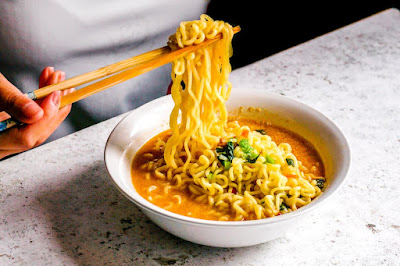
Instant Noodles Origins of Instant Noodles The invention of instant noodles is often credited to Momofuku Ando, a Japanese businessman. In the late 1940s, Ando was inspired by the American Army ration canned fried pot stickers and set out to develop a fast, cheap, and easy noodle dish that could be eaten straight from the package. In 1958, after years of trial and error, Ando succeeded in creating the first cup of instant ramen by adding seasoning and drying noodles that could be reconstituted by boiling water. He named his new product "Chikin Ramen" and founded Nissin Foods to mass produce it. Within a few years, instant ramen took Japan by storm and became a staple food, especially for students and families with busy lifestyles. The success of Nissin's Cup Noodles abroad helped popularize ramen worldwide. Other Japanese companies like Sanyo Foods and Sapporo Ichiban also began selling dried noodle cups and packets internationally in the 1960s and 1970s. Rise of the ...

Choosing the Right Food Service Equipment for Your Commercial Kitchen

Image
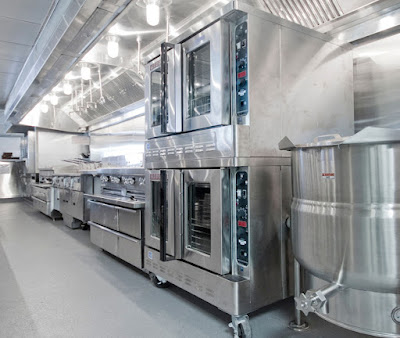
Food Service Equipment All commercial kitchens require a variety of food service equipment to function properly and produce meals efficiently. Some key types of equipment that should be considered include refrigeration, cooking, food preparation, dishwashing, and storage equipment. Refrigeration is essential for keeping food fresh and safe. Commercial refrigerators and freezers in various sizes are needed for storing raw and prepared ingredients at the proper temperatures. Walk-in coolers and freezers provide large-capacity refrigerated storage. Glass-door merchandisers display food attractively while maintaining safe temperatures. Cooking equipment forms the core of any commercial kitchen operation. Stoves, ovens, fryers, and grills are used for basic cooking functions. Stoves provide burners for pots and pans, while ovens bake and roast foods. Fryers cook with oil or other fat at precise temperatures. Grills sear meats and other proteins. Specialty items like combi ovens combine ...

The Rise of Instant Noodles Around the World

Image
Instant Noodles The Origins of Instant Noodles Instant noodles were invented in 1958 by Momofuku Ando while working for Nissin Food Products Co., Ltd. in Japan. Ando had the idea to create an affordable, easily prepared noodle product after being inspired by Chinese fried noodles. His first instant noodle product was called "Chicken Ramen" and was an immediate success in Japan. The key innovation was developing a pre-cooking and dehydrating process that allowed the noodles to be cooked quickly by just adding hot water. This made instant noodles extremely convenient when compared to traditional noodles that required boiling for several minutes. Within a few years, Nissin had begun exporting instant noodles globally and the popularity started growing around the world. Rise of Instant Noodles in Asia Asian countries were some of the earliest adopters of instant noodles outside of Japan. Countries like Indonesia, South Korea, Taiwan, Thailand, and China saw instant noodles spr...